
The dreaded headlice…
At some point your children will come home from school with the suspicious itch which will instantly fill any parent with fear and dread. But don’t panic!! help is here.
So, what are head lice? Headlice are very small insects about the size of a sesame seed that live on the scalp and hair feeding from human blood. They tend to be greyish in colour but can be darker due to feeding. Headlice lay eggs that attach to the hair, and these are commonly known as nits. When the eggs are brown, this means that they are active and when the egg has gone white this means the egg is empty.
Let’s talk about the life cycle of the little critters.
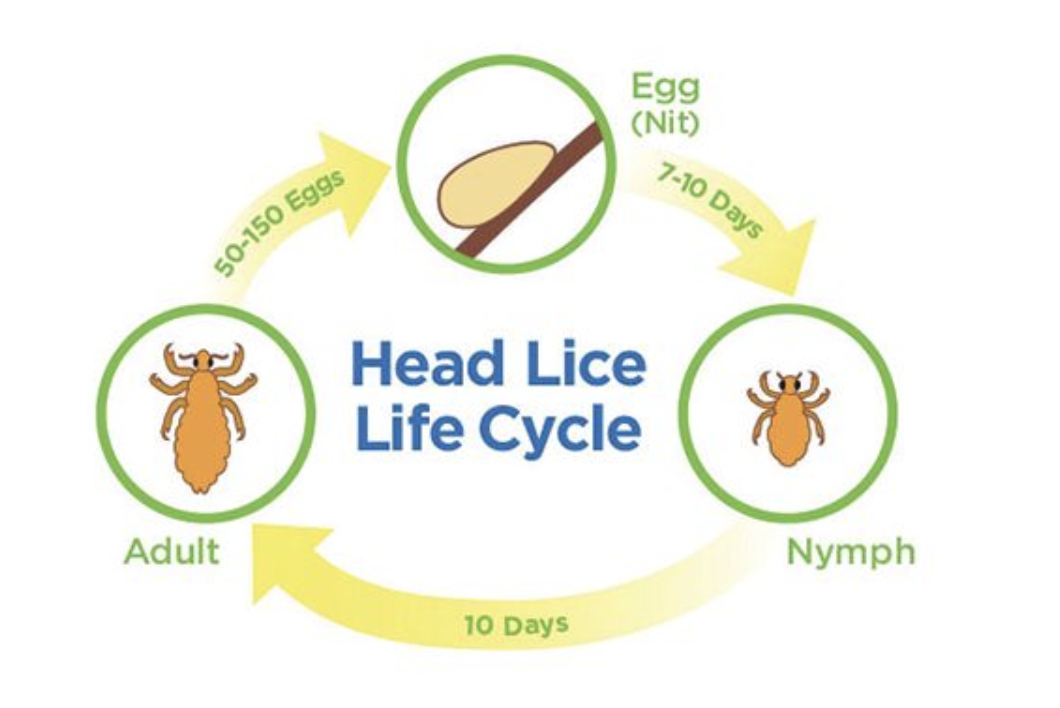
Headlice have around a 28-day life cycle which is split into 3 stages –
The egg or nit – these are laid on the hair close to the scalp as they can survive further away, they take around 6-9 days to hatch.
Nymph – they look like small adult headlice around the size of a pin head and will become adults in around a week after hatching.
Adult Lice – Adults can multiply fast and lay around 10 eggs a day, it only takes one headlouse to starting laying more and more eggs.
This cycle repeats itself every 2/3 weeks if left untreated.
Headlice are very common in school age children and spread very easily. They cannot jump, fly, or hop and they are only spread by head-to-head contact or sharing items such as hairbrushes and hats.
The first thing to do when your child has headlice is stay calm!! Wash all clothing and bedding and anything that cannot be washed needs to be put away in a box for 24-48 hours as headlice can’t survive off the head for longer than this
.
When it comes to treating headlice, tie you own hair back before starting any treatment. A lot of people like to use over the counter headlice treatments and this is fine, but we recommend changing brand each time there is a new infestation as headlice can become resistant to one treatment.
We have found the best way to clear up head lice is washing your child’s hair and then grab yourself a cheap bottle of tea tree conditioner and a nit comb. We recommend the Nitty Gritty comb – The spiral teeth really help with egg removal!
Taking small sections coat the hair in the tea tree conditioner and start combing through section by section, wiping the comb on a damp paper towel each time. Repeat this all over the head before rinsing the hair.
Due to the life cycle of headlice you will need to repeat this process every other day for around a week to 10 days as missing just one live egg can start the whole life cycle again.
(The white eggs which the headlice leave behind can be the hardest to remove from the hair, especially from finer hair. These are dead or empty eggs therefore we recommend a comb like the nitty gritty).
There are steps you can take to help prevent headlice because keeping children apart isn’t really a viable option. We recommend keeping your children’s hair up if it is long and using products that contain tea tree oil and/or rosemary oil as head lice hate these. Dab a little of the essential oil behind the ear each morning or mix the oils with your child’s detangler or water and spray all over the hair.
Checking your children’s hair regularly will help keep on top on things as well. I remember as a child my mum would sit me and my sister down every Sunday on what I called the nasty nit stool and check our hair – catching them early makes treating them much easier.
If you have any more questions regarding headlice feel free to drop us a message on Facebook or Instagram or speak to one of our stylists. We don’t offer any treatments in the salon, but we will be able to guide you through the best action to take.